Mojca Celin – Akinora Celin – for Vetrinamia
A broad, windswept valley. Mountains covered with tall grass, swaying in the breeze. Forests and meadows shifting with the seasons, each time choosing a new detail, a different accent. Washed in morning dew, shaped by sun, rain, and snow, then covered by the velvet of the night.
The world around me was a perfect fabric: I admired its colors, felt its texture, listened to its rhythm.
I grew up in a place of borders and crossings — a space between two seas and the vast interior, at the intersection of ancient routes. Slovenia is an in-between country, between the Mediterranean and the Alps, between Venice and Vienna, within a kaleidoscope of cultures.
This shaped me from the start. My childhood was disciplined yet refined: I spent much time in the wild, untamed nature, and with my grandmothers in Trieste and Rijeka, old Austro-Hungarian-Mediterranean cities, fading but still magnificent, with bourgeois apartments filled with heavy furniture, multilingual books, and wardrobes smelling of cedar and soap.
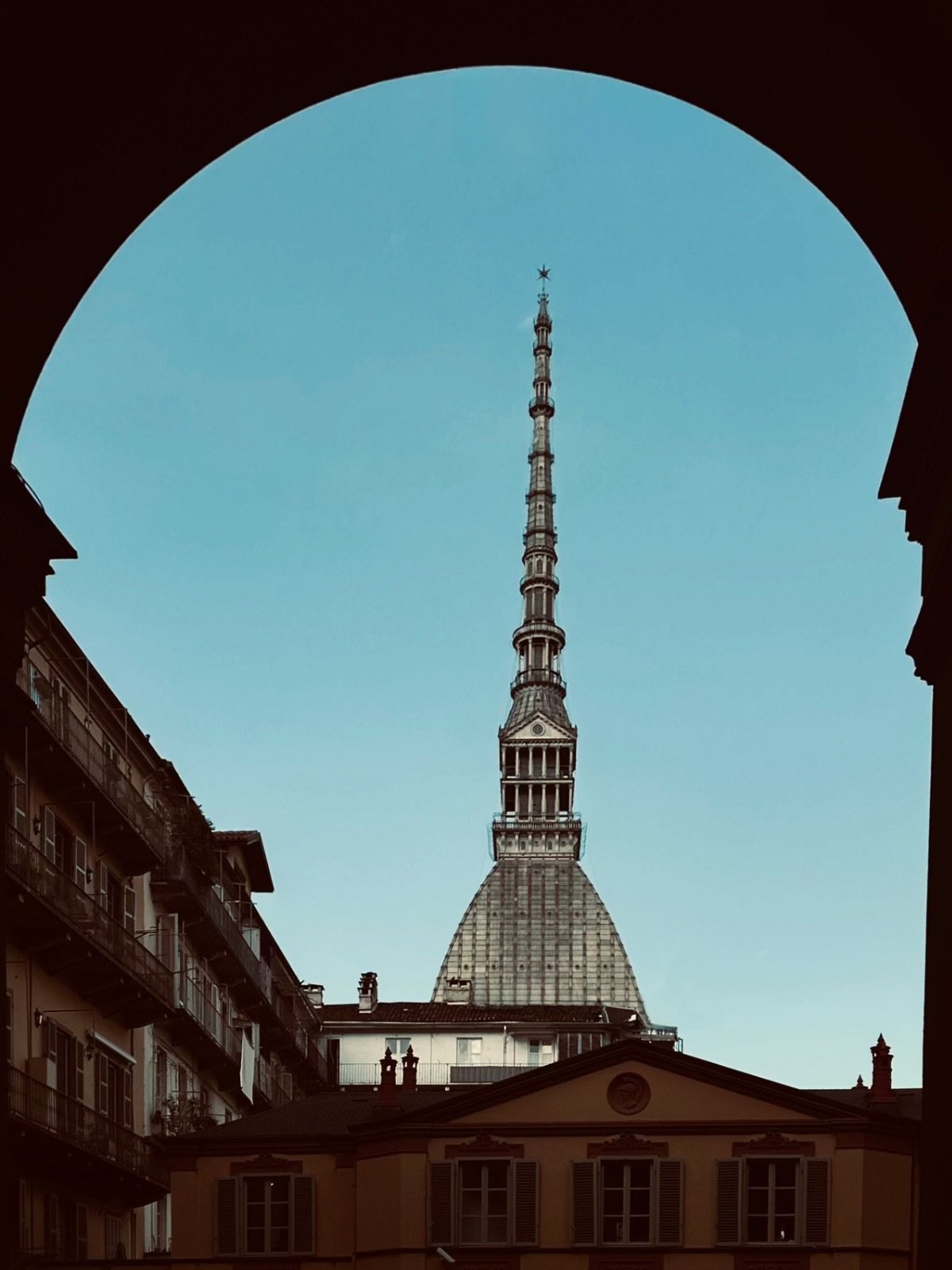
Photos of Trieste and Rijeka, historical cities that helped shape Mojca Celin in her youth.
The Karst valley taught me endurance and minimalism, the value of things that last. Rijeka and Trieste taught me variety, cosmopolitan taste, flair, daring, boldness.
Even before I formally studied design, I was already learning. I grew up surrounded by creative women who nurtured my imagination. They taught me to play chess and to dress the figures in small outfits. I absorbed the idea that elegance could be quiet, that beauty was not always about novelty but about balance. They taught me that style is a language, and dressing is a form of conversation.
Later, I became a professor of aesthetics at the lace-making school in Idrija, a town known for its fine lace. Teaching there grounded me in craft. Idrija lace requires patience, precision, and respect for process. It is built from many small, repetitive gestures, and I learned to value that discipline.
My collections have always been restrained. I favor clean lines but do not avoid detail. I like to place details where only a careful eye will find them: the weight of a button, the angle of a seam, a lining that catches the light. I design clothes to be worn, not just displayed. I think about how they will feel after a full day, how they will look when someone moves, sits, bends down. I respect the body and its movement and try to create pieces that feel natural on the skin.
Mojca Celin, Creative Director of Akinora Celin
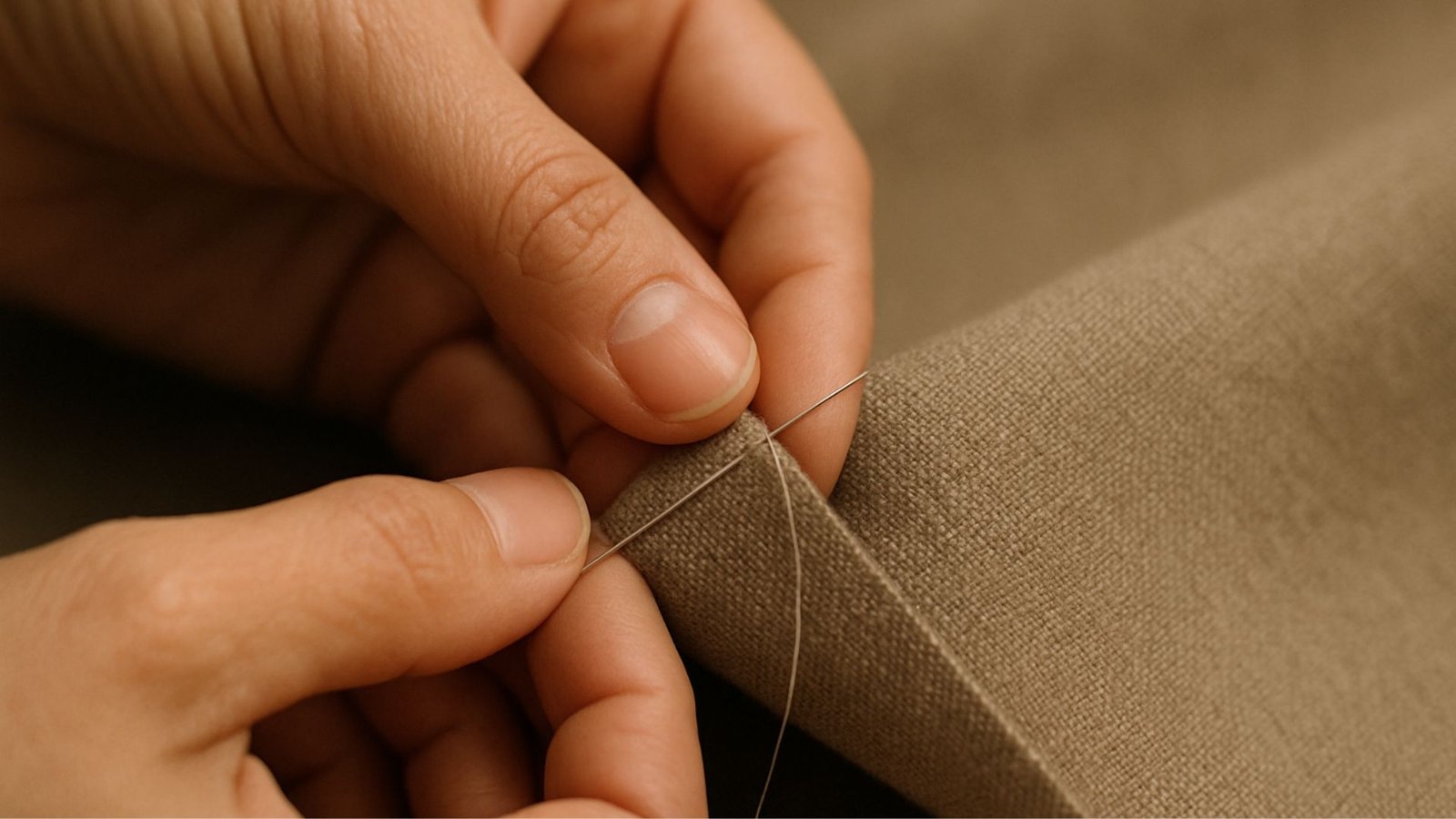
When I work, I begin with fabric. The fabric tells me what it wants to become. Some fabrics want to fall softly, others want to hold their shape. I drape, cut, pin, step back, and look. I do not work in haste. The process is slow but clear. I am not interested in chasing trends. I am interested in creating something that will still feel right in five years.
Akinora Celin extends these values. It is built on three principles: uniqueness, quality, and slow fashion. Each piece is meant to last beyond a season. I choose materials carefully and create cuts that move with the wearer. Nothing is there without reason. The fewer decisions a garment forces on the wearer, the more freedom it gives them. A good piece of clothing should integrate with life, not disrupt it.
Akinora is a spell for the next generation: to help them grow, to style them, to show them their own way, based on individuality, care, sharp insight, quality, and uniqueness. It aims to be organic and daring, quiet and confident, reserved yet expressive.
Our collections often include shirt-dresses, coats, and wide trousers. These are clothes for living. They are fluid, but not careless. I seek lightness through proportion. I use neutral colors and natural fabrics so the garment gives space to the person wearing it. My goal is not to overwhelm but to support. I imagine someone packing a single suitcase and living well for weeks with just a few of our pieces. They are meant to be combined, layered, and reinterpreted.
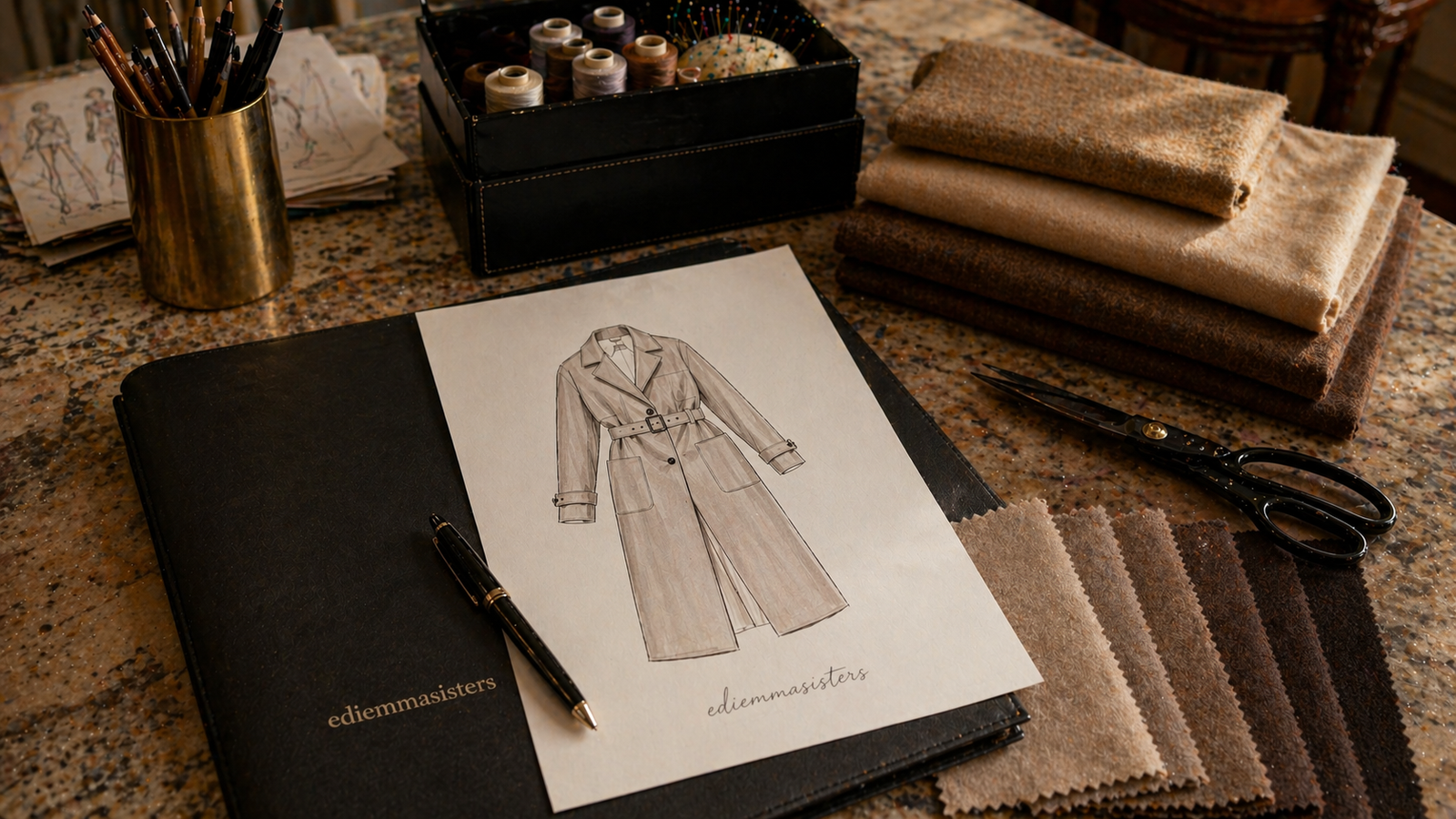
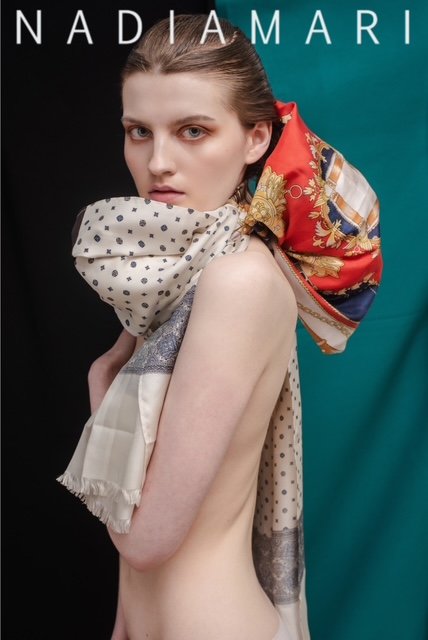
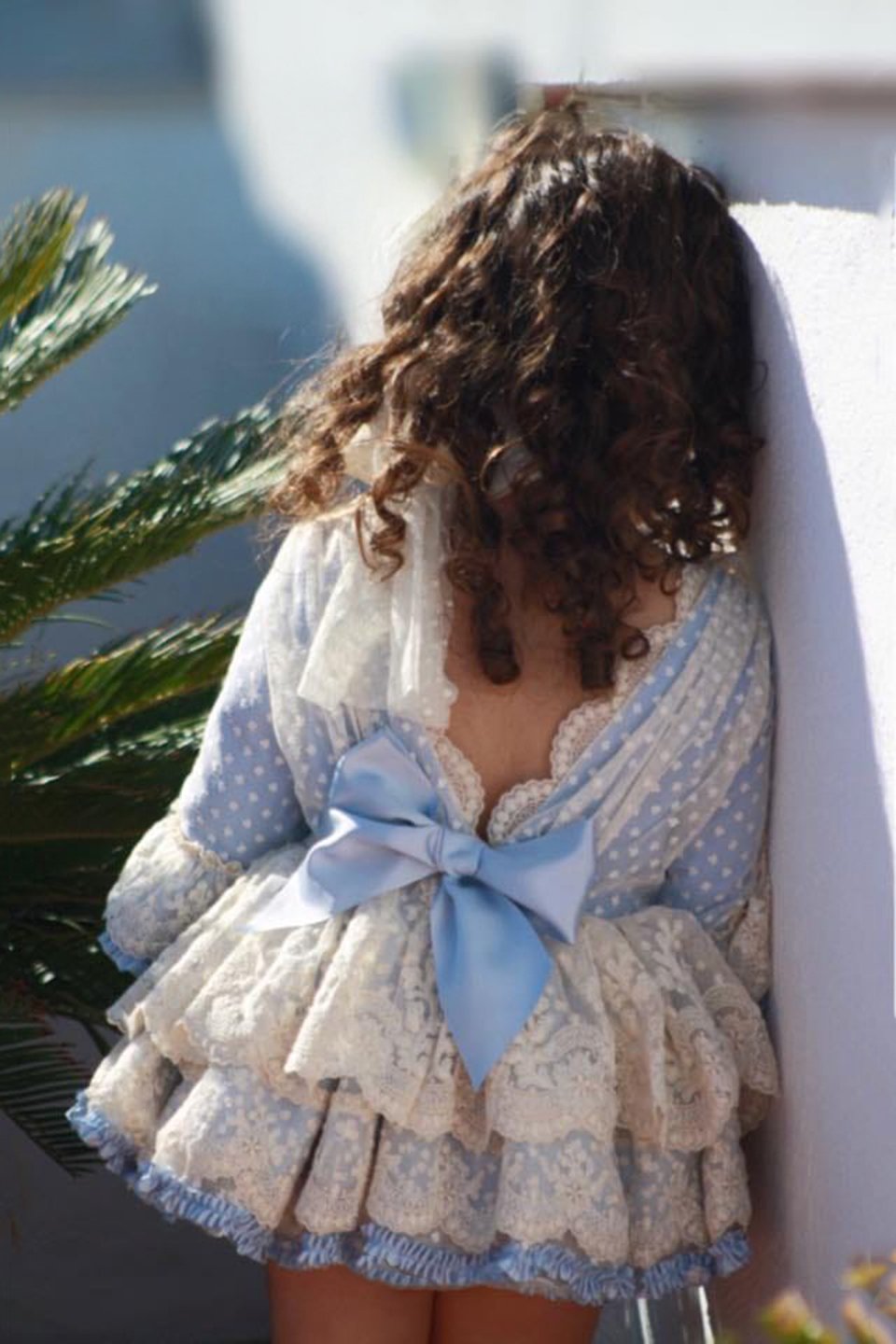
Examples of designs and work, images provided by Akinora Celin
I always want the wearer to participate. To notice the construction, to combine the pieces with care. Akinora Celin garments are versatile but never anonymous. There is always a small detail that reveals a hand, a discreet signature — something quiet that rewards close attention.
Over the years, I have learned to trust this process. I have seen my pieces on different people in different cities, and I am always interested in how they are worn. Some women make them look strict, others make them look soft. That is as it should be. I do not want to dictate too much: I want to offer a framework, a space for imagination to fill.
Slow fashion is central to Akinora Celin. We produce in small runs. We do not fill warehouses. We prefer to meet demand as it comes. Every piece carries a sense of care. There is no rush, no panic about the next collection. Our focus is always on quality, precise sewing, and proper fit.
Designing is, for me, a way of thinking about the world. It is a way of creating order, a statement. It is also a way of connecting with other people: when someone wears Akinora Celin clothes, they join a quiet dialogue. They tell about themselves, and I listen. And the world listens too.